Early Signs of Fly Infestations (And How to Control Them)
Few things are quite as frustrating as flies inside your home. They appear when you least want them to, crawl over your food, and make your house seem unclean. Sure, every once in a while you can overlook one or two sneakily buzzing around your kitchen. But what happens when you start spotting them clustered in areas of your home or regularly seeing more than just a couple each day?
At that stage, it gets really nasty and seems like you can’t get rid of them. But the biggest problem with flies for most people isn’t just living with them inside their homes and businesses. It’s not knowing where they’re coming from or how severe your fly problem actually is.
You don’t have to wonder if you have flies in your home. Notice something? Call Pestline and we’ll send a technician out to find out where they’re coming from, take care of the problem, and prevent them from returning.
Take control of your space before the problem gets out of hand with professional fly extermination.
By the time you know you have flies, you’ve likely already got more than a couple popping in and out of your space. That’s why professional pest control is so important. Not only will it allow you to tackle the problem head-on, but it can also prevent your occasional fly problem from becoming a severe infestation.
Today, we’re going over some of the first signs you may have flies in your house and what you can do about it.
Table of Contents
- Understanding Fly Activity in Late Summer and Early Autumn
- Early Warning Signs of Fly Infestations
- How to Naturally Repel Flies Before They Become a Problem
- Preventive Measures to Keep Flies at Bay
- Take Action Early
Understanding Fly Activity in Late Summer and Early Autumn
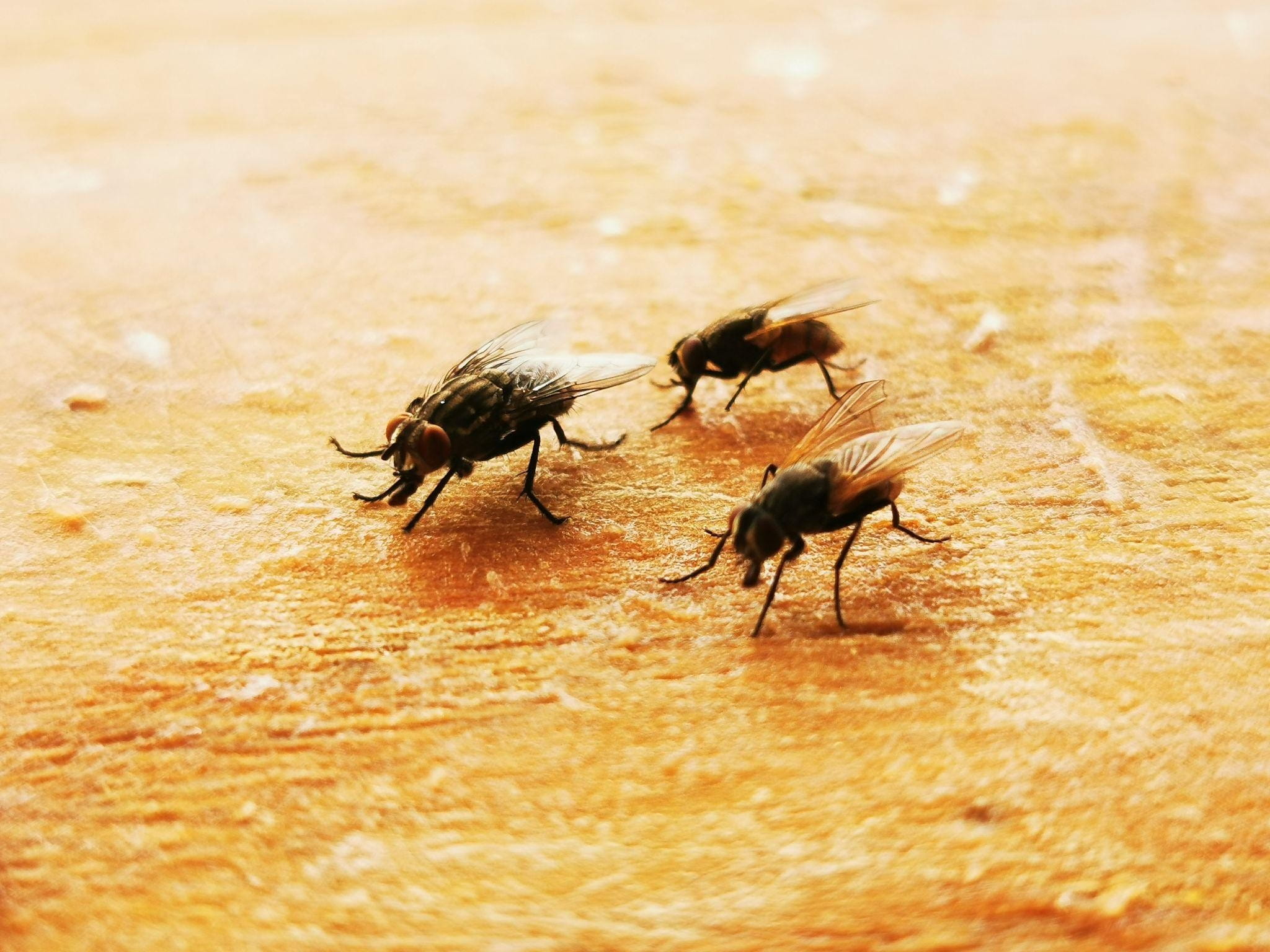
Warm-weather flies are particularly persistent during late summer and early autumn. Warmer temperatures combined with residual moisture and food sources make it easier for flies to thrive during these seasons. But did you know late summer and autumn can actually mark a turning point in the lifecycle of common house flies?
Late summer months can often be frustrating as you’re sure the worst of fly season should be behind you, but these pests are still very much present! As cooler weather approaches flies look for comfortable indoor areas to nest. Entering your home through open doors/windows or congregation spots such as entertaining areas they search for food and warmth.
Our native Australian bush fly is no exception. During these months you’ll often see them buzzing around doorways/windows and around the home, looking for food scraps or residues on your entertaining surfaces.
Flies will often hide out in roof voids, wall cavities and around your home during the winter months. Flies will often lay eggs in hidden areas before dying off. These eggs can then hatch when the weather warms up causing you to experience flies all over again next summer.
Early Warning Signs of Fly Infestations
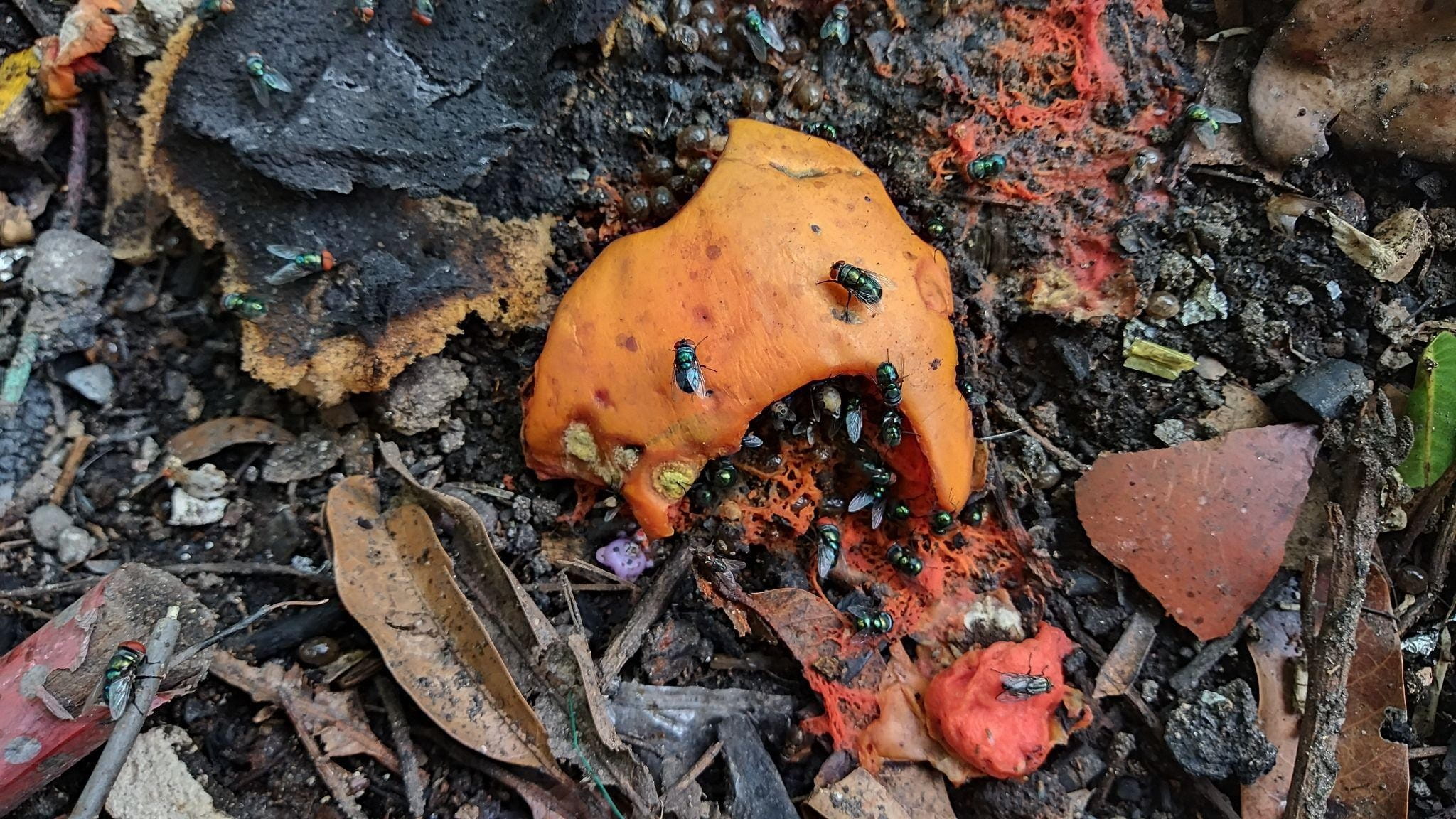
You may notice just one flying around here and there, but if you miss the early signs of flies setting up shop, you may have bigger problems on your hands. Flies reproduce quickly so the earlier you catch them, the better opportunity you have of prevention.
Spotting Flies Indoors
A stray fly now and then? That’s just part of life, really. However, if you start to notice them congregating inside your home frequently, this is a sign there’s probably a source of food or attractant close by.
Keep an eye out for flies buzzing around bins, drains and cooking areas or near windows when they’re trying to get back outside. If you notice flies moving slowly or returning to the same spot frequently, this could be an indication that they’ve found a nice place to call home.
Identifying Larvae and Eggs
If you spot fly larvae (maggots) in your home, that is a definite sign of flies. They tend to be located near bins, drains, damp areas and pet faeces. You may even find some hiding in wall cavities or under appliances. Fly eggs are white and hard to see with the naked eye but are usually found in the same areas as larvae. If you do happen to find fly larvae, flies have already begun to breed in your home.
Unusual Odours or Waste Signs
If you smell a foul odour that doesn’t seem to be leaving your home, it could be time to scout around for flies. Rotting organic matter is a breeding ground for flies and usually smells awful. Your bin overflowing with old food or backed-up drains are classic attractors, though the smell could be coming from something unexpected, like a deceased rodent inside your walls. A telltale sign is the appearance of tiny black dots, which are actually fly droppings.
How to Naturally Repel Flies Before They Become a Problem
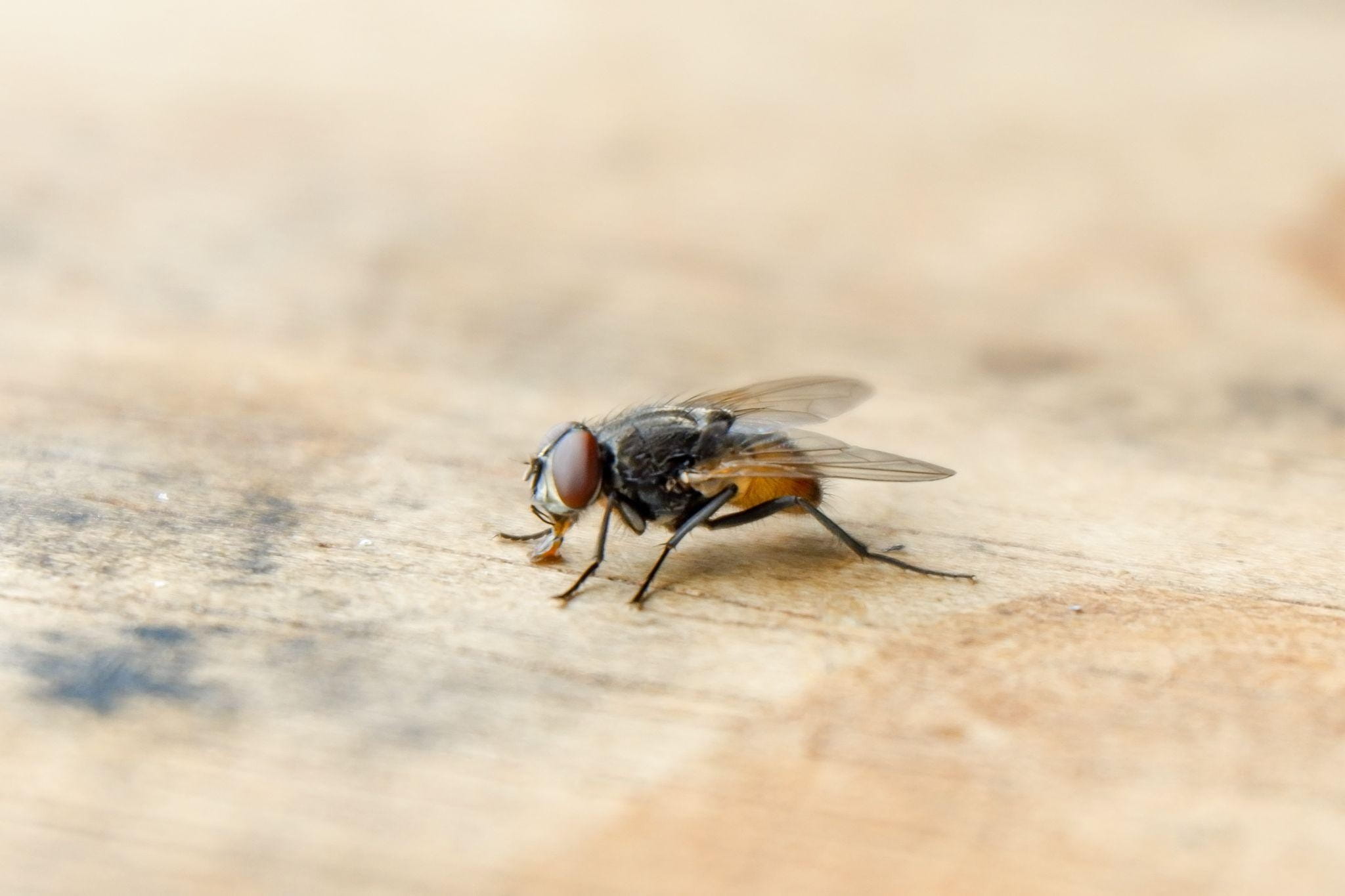
The best defence against flies is a good offence, so you can often avoid strong chemicals if you’re quick. Don’t underestimate the power of natural methods; they provide numerous ways to repel flies. This is particularly useful advice for summer when flies are at their worst. Basically, you want to eliminate the things that attract flies in the first place: odours, dampness, and readily available food sources.
Creating your own fly spray is a common and quick solution to the problem. Many households find success with a simple combination of water, vinegar, and some drops of an essential oil (ours are eucalyptus, peppermint, and lavender). Essential oils will help confuse flies and make it difficult for them to find foods you have lying around. It’s perfect for spraying around doors, your bins, and outdoor areas where flies love to congregate.
Other natural fly deterrents can be used around the house. Citrus peels, cloves, and even leaving out bowls of apple cider vinegar can help keep flies away from specific areas. They won’t solve your problem if you have a major fly issue, but they will help reduce their presence when used regularly and with proper sanitary practices.
You may also want to see what plants repel flies. Keeping basil plants, mint plants, rosemary, and lemon grass are great ideas if you have them around your patio, windows, or door. Plants help welcome positive energies into your home anyways, and they emit smells that flies dislike.
General Fly Deterrent Tips Around the Home
While switching up your methods can be beneficial, the most reliable long-term strategy for keeping flies away really hinges on consistency. Cleaning surfaces, storing food correctly and regularly emptying bins will decrease the amount of attracting factors for flies initially. Simple things such as wiping benches after you have finished cooking or rinsing your recycling will help also.
A key part of keeping flies away involves cutting off their access to places to breed. Repairing dripping taps, clearing blocked drains and removing any sources of stagnant water from around your home and garden will decrease the number of places flies can breed.
Ultimately, learning how to keep flies away from the home is about staying one step ahead. By combining natural repellents with simple preventative habits, you can reduce the chances of a small issue turning into a much bigger infestation.
Preventive Measures to Keep Flies at Bay
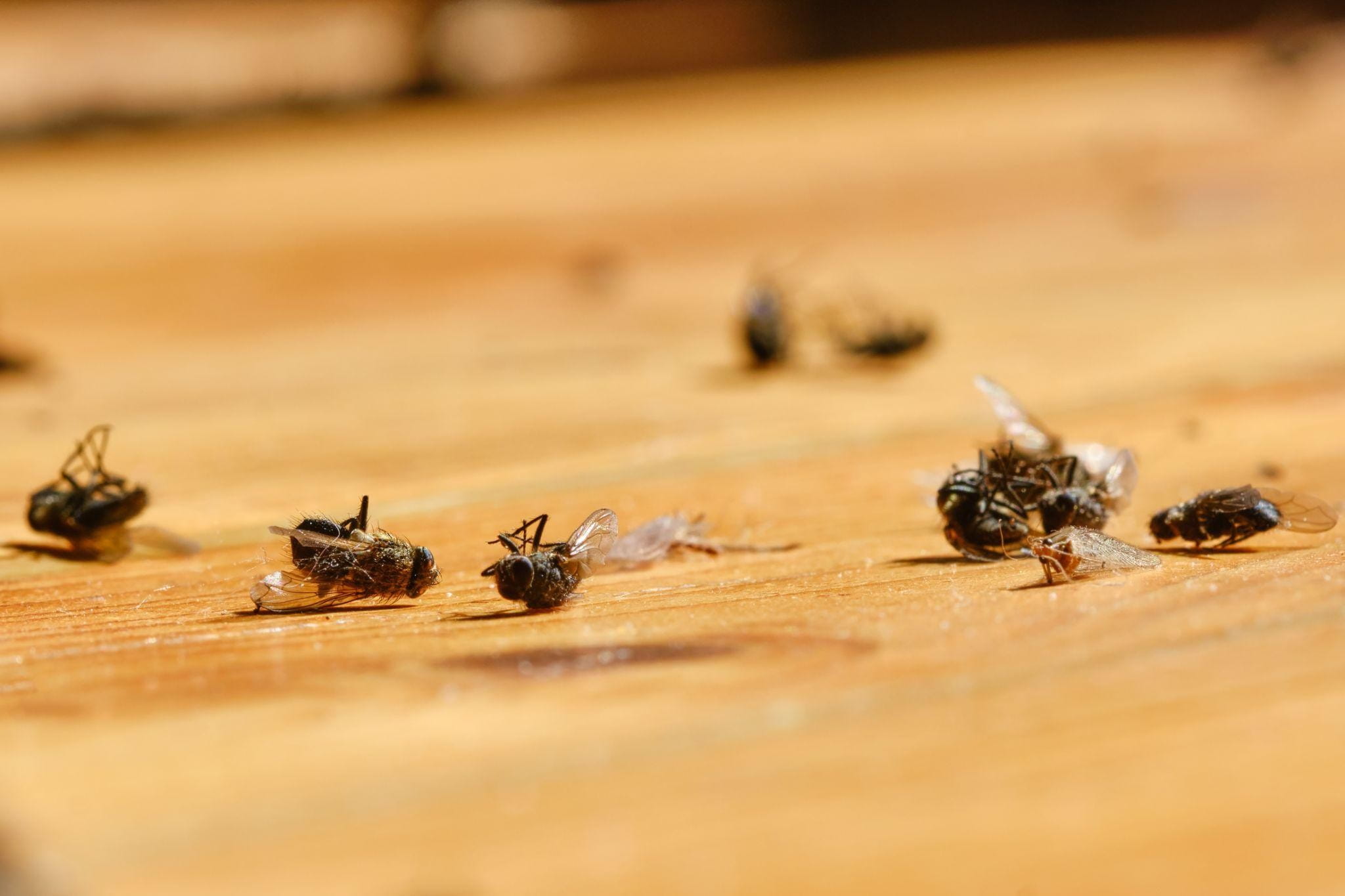
Flies aren’t just a summer pest. They are one of Australia’s most common household pests and they often reappear each year if conditions permit. The best way to prevent flies from taking up residence in your home or business is to take the right preventative action. It’s easy to deter flies once you understand how to make your space unwelcoming for them.
Cleaning and Waste Management
Access to food and waste sources is one of the largest contributors to fly activity. Because flies love organic matter, bins, food waste and even residue left on counters can become breeding grounds overnight. Regular cleaning of your home helps to prevent your environment from becoming attractive to pests.
Making sure your bins are emptied regularly, covering your rubbish and cleaning up messes quickly will help. Commercial businesses have even higher expectations. From transport pest control services keeping your fleet bug-free to cafe pest control preventing infestations in hospitality environments, good hygiene is key to preventing fly problems.
Window Screens and Physical Barriers
In other cases, prevention can be as easy as preventing flies from entering altogether. Installing window screens (and keeping them intact) and sealing cracks around doors and with door sweeps can have a significant impact on the number of flies found indoors. Door and window thresholds as small as a few millimetres can allow flies access indoors, so take care to look for gaps or deteriorating seals around your home.
Keeping food covered with mesh when eating outdoors or entertaining and keeping doors closed when feasible will also help to prevent flies from entering your home. These exclusion methods are your first line of defence and are frequently neglected.
Seasonal Habits: What to Do Before Winter
Flies begin searching for dry, sheltered areas where they can hide out when the weather cools down. These same spots are where they’ll survive the winter, so now is the time to act. Clear your gutters, inspect roof voids and minimise moisture on your property to reduce areas where flies can hide or lay dormant eggs.
Use our Australian pest management calendar to help you stay one step ahead. Knowing when pests are active will help you take effective action at the correct times throughout the year.
Don’t know where to begin? Pestline can assist you in creating a seasonal plan that’s tailored to your property. The benefit of a personalised plan is that you’re proactively stopping flies from becoming a nuisance, rather than just dealing with them after they arrive.
Take Action Early
At Pestline, our Melbourne pest control experts are here to protect both homes and commercial properties from fly infestations before they get out of hand. We provide expert solutions for domestic households as well as larger sites like warehouses, offices and retail spaces, ensuring effective and long-lasting results.
We proudly service the south-eastern suburbs of Melbourne, helping local homeowners and businesses maintain pest-free environments all year round.
Get in touch with Pestline today to book your service and keep your home or business protected year-round.

Written by Matthew Behman
Matthew Behman is a certified pest control expert in Melbourne with over a decade of experience managing pests in homes, gardens, and commercial properties. Solving common types of problems including spider nests, cockroaches, bed bugs, termites etc. Matthew is committed to delivering affordable and comprehensive pest management services tailored to meet the unique needs of residential and commercial clients.