Tick Removal & Tick Control Melbourne
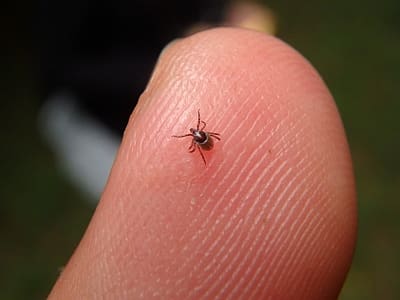 Ticks are external parasites that live by feeding off the blood of their hosts. They prefer to live in warmer and temperate climates around the world.
Some of the common ticks around Australia are from the Ixodid family. You would normally find the Ixodes cornuatus in and around the VIC area.
They are pear or oval shaped, have a total of eight legs located on the lower half of their bodies. They crawl along floors, grass, walls and ceilings waiting to grasp their next host victim. They will attach themselves to any hot-blooded animal, including birds, amphibians and reptiles. They can detect the presence of their next prey through the emission of carbon dioxide and body heat. Once they have found their host they will attach themselves to it, feed and then lay eggs.
Problems associated with tick infestation
The problems associated with tick infestation are that their bites are itchy, and painful and can transmit bacteria, viruses and other harmful pathogens through their bites. These bites can cause an infection that can lead to the host (humans in this instance) with rashes, fevers, dizziness, tick paralysis and Lyme disease. As such, it is of vital importance that if you spot these around your home you should seek professional tick control services to eradicate them immediately.
The most common disease to come from a tick in VIC is Rickettsial Spotted Fever. Its symptoms include fever, nausea, vomiting, bloodshot eyes and the appearance of a red lump on the bite mark.

Our Tick Control Services
Tick infestations are most common during the warmer months when these pests are most active. If you’re located in the VIC area, including Dromana, Mornington, Mornington Peninsula or surrounding suburbs, and require effective tick control solutions, Pestline is here to help. Our expert team will provide the best pest control solutions to eliminate these dangerous blood-sucking parasites and pests to ensure your peace of mind. Call us at 1300 361 646 or contact us online.
Also learn more about how to get rid of ticks.
FAQs on Tick Removal & Tick Control
The most common tick-related illness in Victoria is Rickettsial Spotted Fever, with symptoms including fever, nausea and a red mark at the bite site, so any bite followed by these symptoms should be checked by a doctor.
Ticks detect carbon dioxide and body heat given off by nearby animals and people, then wait on grass, leaves or low vegetation before attaching themselves once a host brushes past.
Removing a tick correctly and promptly reduces the risk of infection, and if you develop a rash, fever or feel unwell in the days after, it’s worth seeing a doctor as a precaution.
Both are at risk, ticks will happily bite cats, dogs and humans alike, and pet owners should keep an eye out for ticks on their animals just as much as on themselves after time outdoors.
Tick activity typically increases during the warmer months when they’re most active, though they can still be encountered in bushy or long-grass areas at other times of year too.
Ticks wait on grass, low shrubs and leaf litter, so bushwalking tracks, long grass, and gardens backing onto reserves are common spots to pick one up, particularly around the legs and ankles.
Yes, professional tick treatments are designed with pets and families in mind, and your technician can advise on any precautions specific to your property.
Keeping grass and vegetation trimmed, clearing leaf litter, and creating a clear buffer zone between lawns and bushland can all help reduce the chances of ticks establishing themselves close to the house.
Yes. Ticks are found across Victoria, including Melbourne and the Mornington Peninsula. The common species around Victoria is Ixodes cornuatus. They are most active in warmer months and are typically found in long grass, bushland edges and gardens backing onto reserves.
Ticks are small, pear- or oval-shaped parasites with eight legs on the lower half of the body. They swell as they feed on blood. They crawl along grass, floors, walls and ceilings waiting for a host.
The most common ticks in Australia belong to the Ixodid (hard tick) family. In and around Victoria you will usually find Ixodes cornuatus, sometimes called the southern paralysis tick. Pestline treats ticks at the property level, whichever species is present.
A tick infestation is when ticks have established around your home, yard or pets. Signs include finding ticks on yourself or your pets after being in the garden, ticks crawling on floors, walls or ceilings, and repeat bites in the same area. If you keep finding ticks, call a professional.
Start by trimming grass and vegetation and clearing leaf litter (see the tips above). If ticks keep returning, professional treatment is the next step. Pestline’s technicians provide tick control and tick removal for homes and properties, and advise on precautions for your pets and family. Call 1300 361 646 for a free quote.
Use fine-tipped tweezers or a tick removal tool. Grip the tick as close to the skin as possible and pull it out steadily, without squeezing its body. Clean the area afterwards. If part of the tick stays in the skin, or you develop a rash, fever or feel unwell, see a doctor. If your pet is bitten, contact your vet.
Ticks can be carried indoors on pets and clothing and can crawl along floors, walls and ceilings. If you find ticks inside, treating the home and the yard together works better than treating either one alone.
Often, yes. Vet-recommended tick preventatives protect your pet, but they don’t remove ticks from your garden. Ask your vet about protecting your pet, and use Pestline to treat the yard and home so ticks are less likely to be picked up in the first place.
Pestline provides tick removal and tick control across Melbourne, the south-east suburbs, Mornington Peninsula, Mornington, Dromana and West Gippsland. Call 1300 361 646 or request a free quote.