Fly Control Melbourne
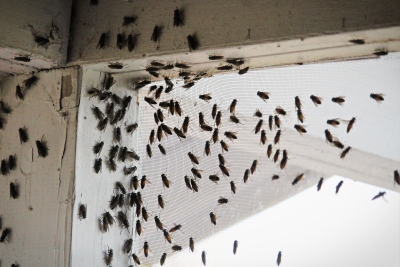 Flies are known to be one of the most annoying pests to have in your home, with about 30000 different species known to inhabit Australia. Although there are various methods of preventing them from entering the home, in many cases, this can be unavoidable, which is where fly control and removal solutions can help eradicate the problem permanently.
Often cited throughout densely populated areas such as retail shopping centres, this is a huge number to contend with, however, a lot of these insects are oblivious to humans as they spend their time occupying themselves with other activities.
The fly belongs to a group of insects called Diptera, which classifies them as having two wings attached to their thorax. The most common flies found in suburban areas of Melbourne are the housefly, fruitfly, bush fly and blowfly.
The life cycle of flies usually starts with the female fly feeding off organic matter such as fruits and decomposing material, depositing their eggs on this matter, with the expectation that these eggs hatch within a day or two.
The female fly chooses to lay her eggs on organic matter as it is the most conducive to the development of their eggs; the larvae that hatch can immediately feed off its nutrient-rich surrounds.
Problems associated with flies
Flies are generally not seen as dangerous pests, however, their path of physical development sees them feeding off dung, garbage, or decaying matter before finding their way to our food source. The common housefly is the common carrier of pathogens, causing diseases such as cholera, typhoid and anthrax. If they vomit and walk on surfaces where we prepare our food, they can deposit these pathogens along the way.
Although we tend to see flies as pests, they do help in the maintenance of our ecosystem by playing their part in the pollination of many plants. The pollen from these plants is rich in protein, which helps in the development of the fly, especially in its season of reproduction.

Fly Control Solutions
If you need to keep flies away from home, contact our efficient professional services team at Pestline. We will implement proven fly control and removal measures to help manage your infestation problem and in the process make your home more pleasurable than it was before.
Have a fly problem at your commercial business, like a local pub, shop, council or school? We provide top-quality commercial services too!
FAQs on Flies
Flies are drawn to food waste, rubbish, pet droppings and any organic matter where they can lay eggs, so persistent numbers usually point to an attractant nearby rather than just an open door or window.
While most flies are harmless, common house flies can pick up bacteria from rubbish and decaying matter and transfer it to food and surfaces, which is how they’ve been linked to illnesses like gastro and food poisoning.
Fruit flies are tiny and tend to swarm around ripening fruit, veggies or drains, while house flies are larger, greyish, and are drawn more to rubbish bins, pet waste and decaying organic matter.
Flies can squeeze through very small gaps around doors, windows and vents, and are drawn in by smells from food prep areas or bins, especially in warmer months when doors are opened more often.
Screens help a lot but won’t stop flies breeding indoors if there’s already an attractant like a bin, drain or pet waste inside, so screens work best alongside good hygiene and, where needed, professional treatment.
Flies can absolutely breed indoors if they find a suitable spot to lay eggs, such as a rubbish bin, blocked drain or rotting food scraps, which is why persistent indoor fly problems often need a source hunt, not just spraying.
Yes, retail shopping centres, cafes and commercial kitchens attract far higher fly numbers due to food waste and foot traffic, and regular pest control is important for both hygiene compliance and reputation.
Fly numbers typically spike in the warmer months as breeding speeds up in the heat, though indoor infestations linked to a specific attractant can occur at any time of year.