Bed Bug Control Melbourne
 Bed bug removal has become paramount across Australia, where there has been an increasing infestation of bed bugs over the past decade, with reports throughout hospitals, backpackers, and cinemas to name a few. Therefore, it’s important to contact a bed bug control specialist as soon as you start to see the signs that your furniture has been infected – especially if you have children!
Perhaps you’ve been travelling and brought an unintended bedbug souvenir back with you? Or maybe that mattress you just purchased from somebody wasn’t in the best of condition? Whatever the reason, our bed bug removal experts will quickly identify the problem and provide a professional solution that serves the test of time. Changing your sheets and airing or fumigating your bed doesn’t always work as bed bugs can find shelter in the darkest of places around your home and furniture.
What are bed bugs?
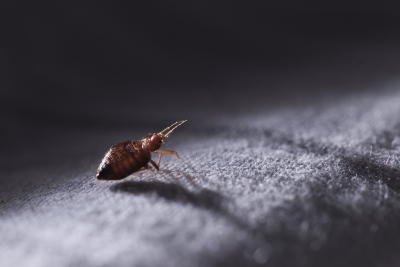
Bedbugs are small, blood-sucking wingless insects with brown bodies and six crooked legs. Sounds like something out of the movies, right? Although they are nocturnal pests, bed bugs can pounce as soon as they are hungry and your home may be under attack at the strangest of times. Bed bugs tend to shelter in dark locations, mostly in bed mattresses where there is access to food making bed bug control difficult to identify and resolve for good. Bed bugs can also be found in the crevices of walls, furniture and behind loose wallpaper. Although their bite is painless and there is no evidence to show the transmission of infectious diseases, bed bugs can cause swelling and irritation of the skin which is particularly distressing for children.

Our Bed Bug Control Solutions
Your local team of bed bug pest control specialists will visit your property to determine the extent of the infestation and eradicate the problem with proven and environmentally safe insecticide control measures. We recommend repeat visits in the short term to make sure that the problem is dealt with fully, however, it’s also important that you implement good hygiene practices around the home to prevent any further infestations. Bed bugs are not necessarily a sign of a dirty home as they can be carried from location to location, however, regular cleaning and home maintenance can go a long way to ensuring that they do not have a haven to breed.
Alongside bed bug control, Pestline can also offer treatment for a range of common household pests, such as the removal of ant nests, bee hives, birds, cockroaches, fleas, rats, mice, mosquitoes, possums, spiders, and wasp nests. So, if you have a pest problem at your home, then protect your investment and contact Pestline today for a free quote on 1300 361 646!
Frequently Asked Questions
The first signs are usually small reddish-brown insects in the seams of your mattress, tiny dark spots (droppings) on your sheets, and itchy red bite marks in a line or cluster on your skin when you wake up. You may also notice a faint musty odour in a heavily infested room.
Yes, but it usually takes more than one visit. Because bed bugs hide deep in mattress seams, skirting boards and furniture joints, professional treatments are typically followed up with a second inspection to catch any eggs that have since hatched.
No. Bed bugs aren’t attracted to dirt, they’re attracted to warmth and a nearby blood meal, which means even the cleanest homes and hotels can get them. They’re most often brought in on luggage, second-hand furniture or clothing.
Bed bug bites are painless at first and there’s no solid evidence they spread disease, but the resulting itching and swelling can be quite distressing, especially for young children, and scratching can lead to skin infections.
DIY sprays and washing sheets can knock back a small number of bugs, but they rarely reach eggs hidden in cracks and crevices, so an infestation usually returns within a few weeks unless a professional treatment is carried out.
An initial treatment visit typically takes a couple of hours depending on the size of the property, with a follow-up visit recommended a few weeks later to deal with any bugs that have hatched since.
Bed bugs are drawn to carbon dioxide and body heat rather than mess, which is why they hitchhike in via suitcases, second-hand mattresses, and upholstered furniture rather than being ‘invited in’ by poor hygiene.
Not necessarily. In most cases a mattress can be treated and saved rather than replaced, though heavily infested or torn mattresses may need to be disposed of properly to avoid spreading the infestation further.