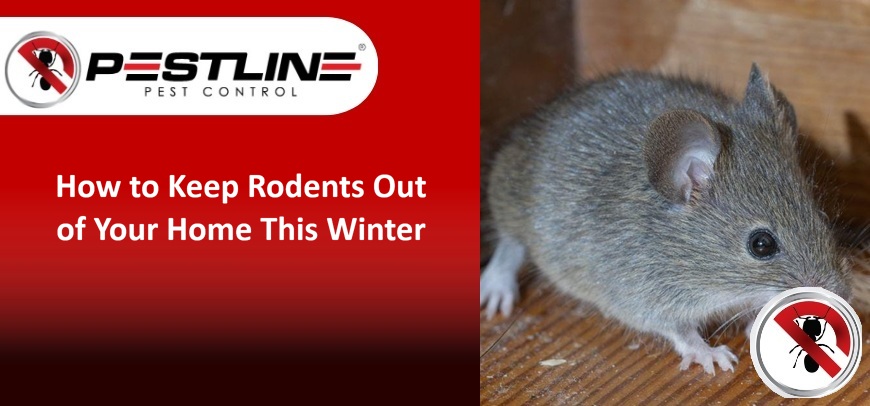
How to Keep Rodents Out of Your Home This Winter
Cold weather starts to creep across Melbourne and before you know it, you hear weird noises coming from your walls at night, discovering random packets of food that are half-eaten with holes chewed into them, or getting that general ‘feeling’ that something is watching you in the kitchen. It’s no secret that pests can easily invade your home during the winter months and once they gain entry, things can happen quickly.
While other pests may slow down during the colder months, mice and rats breed throughout winter and can quickly become a nuisance for homeowners. Rodents will seek warmth, shelter and easy access to food sources which most modern homes are more than capable of providing. And the most common entryways for mice and rats include your roof space, wall cavities, garage, kitchen and even your shed.
If you’ve already noticed evidence that rodents have taken up residence, call in the professionals with targeted mice and rat removal services before the situation gets worse.
Pestline’s pest control services are specifically designed to locate entry points and remove existing activity. Understanding why rodents move indoors is only part of the picture. The real focus is on how to stop them getting comfortable once they’re inside, and what practical steps actually make a difference in reducing long-term risk.
Below, we outline everything you need to know about keeping mice and rats out of your home this winter, including what signs to look for if you think you already have an unwanted guest.
Table of Contents
- Why Mice and Rats Come Inside During Winter
- Common Signs of Mice and Rats in Your Home
- How to Keep Mice and Rats Out of Your Home This Winter
- Why DIY Rodent Control Often Falls Short
- When to Call Professional Pest Control
- Professional Rodent Control for Winter Protection
- FAQs About Mice and Rats in Winter
- Keep Your Home Rodent-Free This Winter
Why Mice and Rats Come Inside During Winter

For the most part, mice and rats stick around throughout the entire year. However, during winter you’ll likely start to see more of them around your property as the weather turns colder. Outdoor feeding and nesting areas become scarce, which means rodents begin looking elsewhere for food, warmth and shelter.
Fortunately for them, most homes provide all of these things. Roofs, walls and subfloors provide safe nest sites that are sheltered from winter weather. Cracks and gaps around pipework, vents, doors and windows can allow access without you even knowing. Once they’ve made their way in, the ready supply of food, like crumbs, improperly stored leftovers, and pet food, will definitely draw them in.
Outdoor areas can attract rodents, too. Rubbish bins that overflow with food scraps, compost heaps, cluttered sheds and garages, and vegetation against the home all allow rodents to feed and nest before attempting to enter the home. Even woodpiles next to walls and overgrown gardens provide access routes to your property.
Rodents can gain access through surprisingly small openings. A mouse can gain access through holes the size of a coin, whilst rats will squeeze through broken roof tiles, vents and gaps around external pipework. Give them time, and they’ll find a way in.
Common Signs of Mice and Rats in Your Home
Rodents are often heard or noticed before they are seen. Because they are mostly active at night, early detection is key for effective winter pest prevention and reducing the risk of winter pests becoming established inside your home.
Below is a table we’ve put together so you can spot the warning signs and know when to act:
Warning Sign |
What It Usually Means |
Likelihood of Infestation |
| Scratching or Scurrying Noises in Ceilings, Walls or Roof. | Rodents move through the roof voids or wall cavities at night. | High |
| Droppings in Cupboads, Pantries, Garages or Under Sinks. | Active feeding or travel routes nearby. | Medium-High |
| Chewed Food Packaging or Pantry Items | Rodents accessing stored food sources. | High |
| Gnaw Marks on Timber, Plastic, Wires or Furniture | Ongoing damage from active rodent presence. | High |
| Greasy Rub Marks Along Walls or Skirting Boards | Established and repeated travel paths. | High |
| Unpleasant Ammonia-Like or Musty Odours in Enclosed Spaces | Possible nesting site or long-term activity. | High |
| Shredded Paper, Fabric or Insulation Material | Active nesting inside a hidden area. | High |
| Sudden Pet Fixation on Walls, Cupboards or Appliances | Possible movement or scent detection by pets. | Low-Medium |
How to Keep Mice and Rats Out of Your Home This Winter
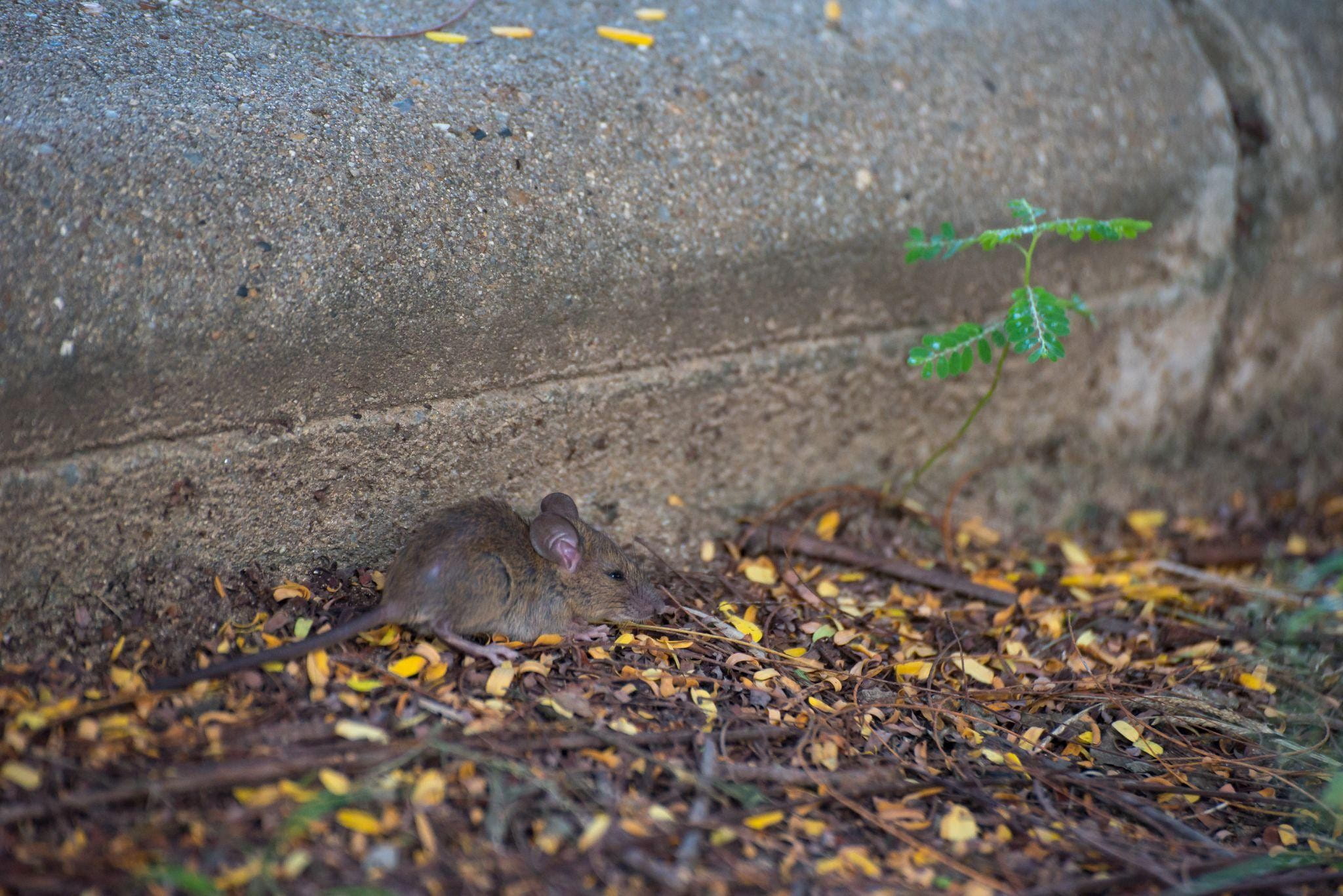
Keeping rodents out during winter is usually much easier than dealing with an established infestation once they’ve settled in. The good news is that a few proactive steps can make your home far less appealing to mice and rats looking for warmth, shelter, and food.
These practical winter pest-proofing tips focus on reducing access to your property and removing the conditions that attract rodents in the first place.
1. Seal Entry Points Around Your Home
Keeping mice and rats out of your home is always easier than having to deal with them once they’ve moved in. Prevention is key, so begin with a thorough inspection of your home in search of small holes or vulnerabilities that could allow rodents to enter.
Look closely at doors and garage doors that don’t close tightly, damaged or worn window frames, weather stripping, gaps where pipes and other utilities penetrate the home, and openings around air vents. Check weep holes, roof edges, fascia and soffit vents, joints in the exterior wall, subfloor vents, gaps around roof tiles or flashing, or any other vulnerable areas.
Fill any small holes using strong, rodent-proof caulks, sealants or fillers. Steel wool and hardware mesh can also be used to cover larger holes. Soft fillers should be avoided as mice and rats can gnaw right through them or push them out of place.
2. Keep Food Properly Stored
Proper food storage is one of the easiest ways to prevent rodents from entering your home. Rodents have incredible smelling capabilities and crumbs on benches, or food bowls left out overnight are a quick way to invite mice and rats into kitchens and living areas. This is especially true when you have rats in the kitchen; they will come in if they know they can get food easily and will keep returning as long as they know food is available.
Ensure all food, especially dry goods are stored in sealed containers rather than left in paper or cardboard boxes that rodents will be able to chew through. Clean your benches, sweep floors regularly and look inside cupboards for any crumbs that may have fallen down and gone unnoticed. And never leave pet food down overnight.
Keep your fresh fruits and vegetables stored the right way, and make sure any fruit bowls sitting on your counters get cleaned out regularly. Rooves and under your oven, fridge and dishwasher are also common places for food to build up without you realising. Although this won’t necessarily keep rodents from making their way into your home, it will discourage them from coming in.
3. Manage Rubbish and Outdoor Bins
Most people concentrate on what’s happening inside the home, but outside areas can sometimes be why you are getting rodents into your property in the first place. Rubbish bins, compost heaps and fallen fruit can provide a feast for starving mice and rats throughout winter when natural food sources have started to disappear.
Keep rubbish bin lids closed and try not to let them overflow. Position bins as far away from doors, windows and other entry points as possible. Cleaning your bins regularly can also deter food scents from drifting onto your property from neighbouring areas.
Make sure compost systems are tidy and closed properly. Clear away any fallen fruit and garden debris quickly. When mice and rats have a dependable place to eat outside, they’ll quickly move on to checking out what your house has to offer.
4. Reduce Clutter in Garages and Sheds
Garages, sheds and storage cupboards are favourite places for rodents to make their winter home. Not many people visit these areas regularly and many useful nest materials can often be found. Boxes of old clothes, newspapers, cardboard boxes and stored household goods provide rodents with a wealth of nest material and somewhere to hide.
Keeping your storage areas tidy and free from clutter reduces the opportunity for rodents to conceal themselves and their nesting material. Try to store as much as possible in plastic containers with lids instead of cardboard boxes. These can easily be chewed through by rodents and provide excellent nesting material. It also helps to be able to see into your storage areas. Clutter makes it difficult to spot signs of activity early on.
Try lifting boxes or items stored on the floor. Also, throw away any unused materiel that has built up in your storage areas over time. Pay particular attention to your storage areas during winter. Lift boxes and explore corners, shelving and any areas that aren’t regularly accessed. The less opportunity you give rodents to hide, the less likely they are to stay.
5. Trim Vegetation Around the Home
Areas of the garden that are not regularly maintained can contribute to a higher-than-average level of rodent activity. Vegetation provides rodents with hiding places, protection from predators and easy routes to travel around your property undetected. Frequent sightings of mice and rats in the garden could be evidence that your home is providing all of the conditions they need to thrive close by.
Maintaining the outside of your property can limit these attractions. Cut tree branches back from the roofline and away from windows, prune back bushes growing close to walls and keep the lawn trimmed. Where possible, store wood piles away from the house. This will help to deter rodents by removing areas of shelter and potential nesting sites.
Remove leaf litter, dirt piles and debris that might encourage rodents to hide in your garden. Rats are capable of climbing most surfaces, so avoid letting branches come into contact with your home if possible. Contact between trees and your home can make it easy for rats to access roof spaces and wall cavities. By limiting cover around your home, you make it harder for rodents to come close undetected.
6. Protect Roof Spaces and Wall Cavities
Roof voids and wall cavities provide ideal nesting spots for rodents over winter. They offer warmth, shelter from the elements and seclusion rodents require to breed and make themselves at home without disturbance. Since they’re concealed from view most of the time however, problems can go undetected until the symptoms are too evident to ignore.
Begin prevention by inspecting the exterior of your home for gaps or holes around roof tiles, eaves and flashing. Make sure to mend any vents, mesh, or other barriers that are damaged and could let rodents enter. If accessible, you may also want to inspect your roof insulation for nesting materials, droppings or gnawing.
Noise is often the first sign of rodents in roof voids and wall cavities. If you hear scratching or scurrying sounds coming from your ceiling at night, it’s a strong clue that they’ve already gotten in. Roof voids and wall cavities can be tricky to inspect without help, so consider calling in a pro if you suspect activity in these areas.
Rodents in roof spaces should be considered urgent. Not only will they contaminate your insulation and cause musty odours, but they’ll also chew through electrical wiring and structural materials, accelerating property damage and the cost to repair it.
Why DIY Rodent Control Often Falls Short
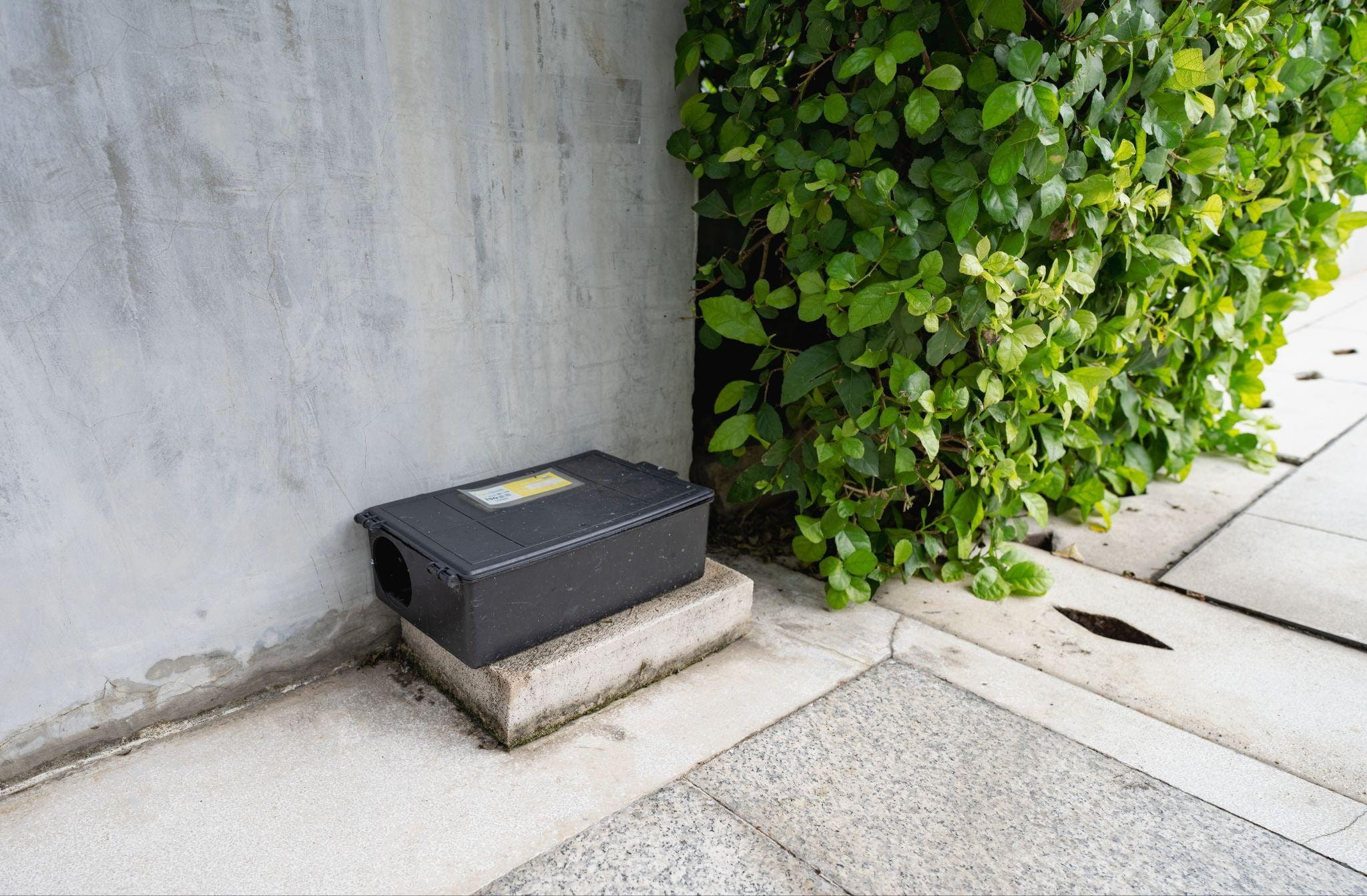
It’s only natural that if you find evidence of mice or rats in your home you’ll want to pick up a trap or pack of bait at your local supermarket. While in some cases this may help decrease activity you see, it probably isn’t solving the root problem of why you have rodents in the first place.
Unless you live in your property and spend all day every day watching for signs of mice or rats you’ll struggle to see them where they normally cause the most problems. If you see a mouse in your kitchen or catch a rat in your garage, it could easily mean there is a problem hiding in your roof spaces, wall cavities, subfloor or outdoor nesting sites. Without knowing where rodents are gaining entry to your property and where they’re nesting it can be hard to see effective results with DIY pest control.
Another issue is where you place those traps or bait stations. Placing traps away from normal rodent travel paths just because they are more visible to you will make them much less effective. Using bait without understanding rodent behaviour is also prone to delivering underwhelming outcomes. Especially if there is an abundant food source available everywhere else around your property.
Most DIY treatments only aim to remove the rodent you see rather than focus on preventing future activity. Just because you catch a mouse in a trap doesn’t mean the situation that attracted the mouse won’t continue to attract more.
Think of rodent control like this. Effective treatments don’t just treat what you can see. They allow you to identify signs of activity, solve the root problem and aim to minimise the chances of them returning.
When to Call Professional Pest Control

Prevention methods are important, but sometimes professional treatment is the best option to get a rodent problem under control. Scratching in the attic or walls, frequent droppings, chewed food packaging, or a noticeable musty smell in confined spots all point to the strong possibility that rodents have taken up residence.
Seeing rodents more than once is also cause for professional treatment. Many households will trap a rodent with DIY traps or kill them with bait stations, only to have the issue return the next winter. This can often be attributed to unseen access points, nesting spots or attractants which continue to draw them in.
For homes with children or pets you may also want the added peace of mind that comes with professional pest control, as certain treatments require consideration to avoid unpleasant (or dangerous) exposure. To keep mice and rats out this winter, or if you suspect they’ve already taken up residence, contacting a professional is your best initial move for safe and effective management.
Professional Pestline technicians can assess your property to determine potential access points, confirm rodent activity and suggest a treatment method that is tailored to your unique needs. From domestic pest control to commercial pest management, our friendly team of experts offers removal and protection plans to keep your home rodent-free.
Professional Rodent Control for Winter Protection

Rather than simply eradicating mice or rats from your home or business, professional rodent removal services aim to discover why they got there, how they are travelling around your property and what attractions are encouraging them to stick around.
Understanding rodent behaviour is key to implementing effective control measures. One clear indicator of winter pest patterns is how rodents begin to seek out indoor shelter as the weather cools.
Instead of reacting to sporadic sightings, professionals take a methodical approach to your whole property. The service usually involves a comprehensive inspection to find evidence of activity, identify common entry points and highlight high-risk areas such as roof spaces, garages, subfloors and external pests near your home.
Then you can utilise specific treatment methods tailored to your particular problem. This might include targeted baiting or trapping in conjunction with their travel routes through your property. You can expect them to provide guidance on sealing up your home and preventing future issues, with a plan for follow-ups if needed.
Professional rodent control services work to give you a long-term solution, rather than a quick DIY fix. If you have ongoing problems with rodents, the team at Pestline can help to fortify your home and keep them at bay all winter long.
FAQs About Mice and Rats in Winter
Why do mice and rats come inside during winter?
Rodents enter homes in search of warmth, food and shelter. Your house provides rodents with access to roof voids, wall cavities and easy feeding opportunities in kitchens, garages and sheds.
How do I know if I have mice or rats in my home?
Look out for tell-tale signs such as scratching noises, droppings, gnawed food packaging, gnaw marks on wires or furniture, musty smells and nesting materials. You may also spot rodents running to and from your pantry, cupboard, garage or roof space.
How can I stop rodents from entering my home?
Block gaps around doors, windows, pipes and vents. Store food in sealed containers, keep your bins closed and tidy up any clutter. Trim back bushes and cut away vegetation against the exterior of your home.
Are mice and rats dangerous?
Yes. Mice and rats love to chew through insulation, gnaw on wires and deposit bacteria around kitchens and food surfaces. They can quickly contaminate foodstuffs and leave foul smells if left unchecked. Rodents should always be treated quickly once you know they’re there.
Do DIY mouse traps work?
DIY mouse traps can catch some rodents but may not fix the overall problem. If mice or rats are nesting in your roof or walls or entering your home through inaccessible openings then professional pest control will likely give you better results.
When should I call pest control for mice or rats?
If you’re noticing scratching in your attic or walls, finding droppings or chewed-up food packages, detecting a musty smell, or if your own attempts at pest control haven’t worked, it’s probably time to contact a professional.
Keep Your Home Rodent-Free This Winter
Winter time can be one of the busiest seasons for rodent activity. Trying to keep mice and rats out before they get inside is ideal. Simple things like sealing entry points, eliminating easily accessible food sources, decluttering, and maintaining the outside of your property can deter rodents from coming inside.
However, if you already see or hear signs of mice or rats in your home, taking action sooner rather than later is essential. Rodents can build up populations quite rapidly inside homes. What may have started as minimal activity can turn into a full-blown problem if not addressed before winter hits. Your best bet is to call and schedule professional pest management services.
Contact Pestline today and allow our rodent control specialists to ensure your home stays free of pests throughout the winter.

Written by Matthew Behman
Matthew Behman is a certified pest control expert in Melbourne with over a decade of experience managing pests in homes, gardens, and commercial properties. Solving common types of problems including spider nests, cockroaches, bed bugs, termites etc. Matthew is committed to delivering affordable and comprehensive pest management services tailored to meet the unique needs of residential and commercial clients.